U.S. Dimes: History, Key Dates & Collecting Strategies
Dimes hold a special place in American numismatics, as they combine historical significance, artistic beauty, and surprising rarity in small packages. From early colonial precursors to modern commemoratives, these 10-cent pieces offer collectors diverse opportunities.
This guide explores the complete evolution of U.S. dimes. What are valuable key dates? How much is a dime worth today? And are there any expert collecting strategies?

Historical Evolution of U.S. Dimes
1. Pre-Federal Issues (Pre-1796)
Colonial "Dismes": The 1792 "Birch Cent" pattern included experimental dime prototypes.
No Mass Production: Early U.S. Mint focus was on higher-denomination coins.
2. The Draped Bust Era (1796–1807)
Design: Small eagle (1796–1797) → Heraldic eagle (1798–1807).
Rarity: 1796 (first year) and 1797 (no stars) are ultra-keys.
3. Capped Bust (1809–1837)
Major Varieties: Large (1809–1828) vs. small diameter (1828–1837).
Key Date: 1822 – Only ~100 survive (PCGS estimates).
4. Seated Liberty (1837–1891)
Subtypes: No stars (1837–1838), stars (1838–1860), legend (1860–1891).
Notable Rarity: 1873-CC "No Arrows" – Only 12,400 minted.
5. Barber (1892–1916)
Design Controversy: Public criticized Charles Barber’s "bland" motifs.
Sleeper Rarity: 1894-O – Mintage 720,000, but high attrition.
6. Mercury (1916–1945)
Misnamed Design: Winged Liberty head mistaken for Roman god Mercury.
Key Dates: 1916-D (264,000 minted), 1942/1 overdate.
7. Roosevelt (1946–Present)
Modern Rarities: 1982 no-mintmark (Philadelphia error), 1996-W silver proof.
Top 10 Most Valuable Dimes (2024 Valuations)
Coin | Mintage | Graded Value (VF-20) | Graded Value (MS-65+) |
1796 Draped Bust | ~22,000 | $15,000+ | $250,000+ |
1873-CC No Arrows | 12,400 | $5,000+ | $150,000+ |
1894-S Barber | 24 | $2M+ (all specimens) | N/A |
1916-D Mercury | 264,000 | $1,000+ | $20,000+ |
1942/1 Mercury | Unknown | $500+ | $15,000+ |
1975 No-S Roosevelt | 2 known | $500,000+ | N/A |
1982 No-P Roosevelt | Unknown | $200+ | $2,000+ |
1996-W Roosevelt | 1,457,000 | $15+ | $150+ (silver proof) |
Underrated Dimes with Strong Potential
1. Semi-Key Dates Flying Under the Radar
These dimes aren’t the rarest, but they have strong upside due to collector demand outpacing supply:
1838-O Seated Liberty (No Stars) – First year of New Orleans Mint dimes; only 406,000 minted.
Value: $250 (VG-8) to $5,000+ (MS-63)
1905-O Barber – Low-mintage (2.8M) issue with weak strikes; tough in AU+.
Value: $30 (G-4) to $1,200 (MS-65)
1931 Mercury – Final year of low-mintage (3.15M) before Great Depression cuts.
Value: $5 (G-4) to $600 (MS-66 FB)
2. The "Blue Uncirculated" Sleepers
Certain common-date dimes are undervalued in pristine grades because few survived without wear:
1941 Mercury (Philadelphia) – Millions minted, but fewer than 200 graded MS-67+ FB.
Value: MS-67 FB = $300 vs. MS-65 FB = $50
1964-D Roosevelt – Last 90% silver dime; hoarded but high-grade gems are scarce.
Value: MS-67 = $150 (vs. $8 for circulated)
Error Dimes Worth Hunting For
1. Major Mint Mistakes
1968 No-S Roosevelt Proof – Only 2 confirmed; last sold for $25,000 (PR-65).
1982 No-P Roosevelt – Missing Philadelphia mintmark; $500+ in AU condition.
1990-P "No S" Proof – Unofficially estimated <50 exist; trades for $3,000+.
2. Dramatic Die Varieties
1942/1 Mercury Overdate – Visible "1" under the "2"; $1,500+ in XF.
1964 "DDO" Roosevelt – Strong doubling on "IN GOD WE TRUST"; $200+ in MS-64.
Smart Collecting Strategies
1. The "Roll Hunting" Approach
Focus: Search uncirculated silver Roosevelt rolls (1946–1964) for:
Full bands (sharp horizontal lines on torch)
Toned coins (naturally rainbow-hued examples)
Profit Potential: A single MS-65 FB dime can cover the cost of an entire $100 roll.
2. Building a "Type Set Plus" Collection
Instead of just one example per design, add:
Major subtypes (e.g., 1838 No Stars + 1840 Stars Seated Liberty)
Key mintmarks (e.g., 1916-D + 1921-P Mercury)
Notable errors (e.g., 1964 DDO + 1982 No-P Roosevelt)
3. Targeting CAC-Stickered Coins
Why? Coins with green/gold CAC stickers consistently outperform non-stickered examples at auction.
Example: A CAC-approved MS-65FB Mercury dime sells for 20–30% more than a raw coin.
Market Outlook & Investment Tips
Silver Dimes (1946–1964): Trading at 15–18x face value (bullion-driven), but gem examples have 3–5x melt value.
Mercury Dimes: Strong demand for FB-graded coins; registry set competition is heating up.
Barber Dimes: Still undervalued compared to quarters/halves; XF-AU examples are ripe for appreciation.
Collecting Strategies for Different Budgets
1. Type Collecting (Entry-Level: $500–$2,000 Budget)
Goal: One representative from each major series.
Focus: Lower-grade examples of rare types (e.g., VF Barber, AG Seated Liberty).
2. Date/Mintmark Sets (Intermediate: $5,000–$20,000 Budget)
Top Picks: Mercury dime series (minus 1916-D), Roosevelt silver proofs.
Pro Tip: Target CAC-approved coins for better liquidity.
3. Condition Rarity (Advanced: $50,000+ Budget)
Opportunities: MS-65+ Barber dimes, Full Bands Mercury dimes.
Market Insight: Registry set competition drives premiums for top-tier coins.
Grading & Authentication Insights
Mercury Dimes: "Full Bands" (FB) designation requires complete horizontal lines on fasces.
Barber Dimes: Look for sharp cheekbone detail on Liberty’s profile.
Counterfeit Risks: 1894-S and 1916-D are heavily faked—always buy certified.
Market Trends & Investment Outlook
Strong Segments: Mercury dimes (+18% value growth since 2020, NGC data).
Undervalued: Mid-grade Seated Liberty dimes (potential 5–7% annual appreciation).
Liquidity Note: Roosevelt proofs trade near melt unless top-grade or errors.
Why Collect Dimes?
Historical Depth: Span from the Federal period to space-age commemoratives.
Affordable Rarity: Key dates exist even for modest budgets (e.g., 1949-S Roosevelt).
Portfolio Diversification: Precious metal (90% silver) and numismatic value combined.
Next Step: Prioritize PCGS/NGC-certified coins and consult recent auction archives (Heritage, Stack’s Bowers) for precise valuations.
-

Protect Your Head: The Science Behind Snow Helmet Safety Standards
As winter sports enthusiasts hit the slopes each year, one key piece of equipment stands out as essential for safety: the snow helmet. With advancements in technology and a better understanding of hea...
-

Explore Backcountry Skiing: Safety Tips and Equipment Essentials
Explore practical tips and must-have gear for safe backcountry skiing adventures. Learn how to stay prepared and make informed decisions in the wilderness with GlacierGear. ...
-

The Art of Freestyle Skiing: Tricks, Techniques, Progression
Unlock the secrets of freestyle skiing with our comprehensive guide. Learn the fundamentals, explore tricks, and master terrain park mastery for an exhilarating skiing experience. ...
-
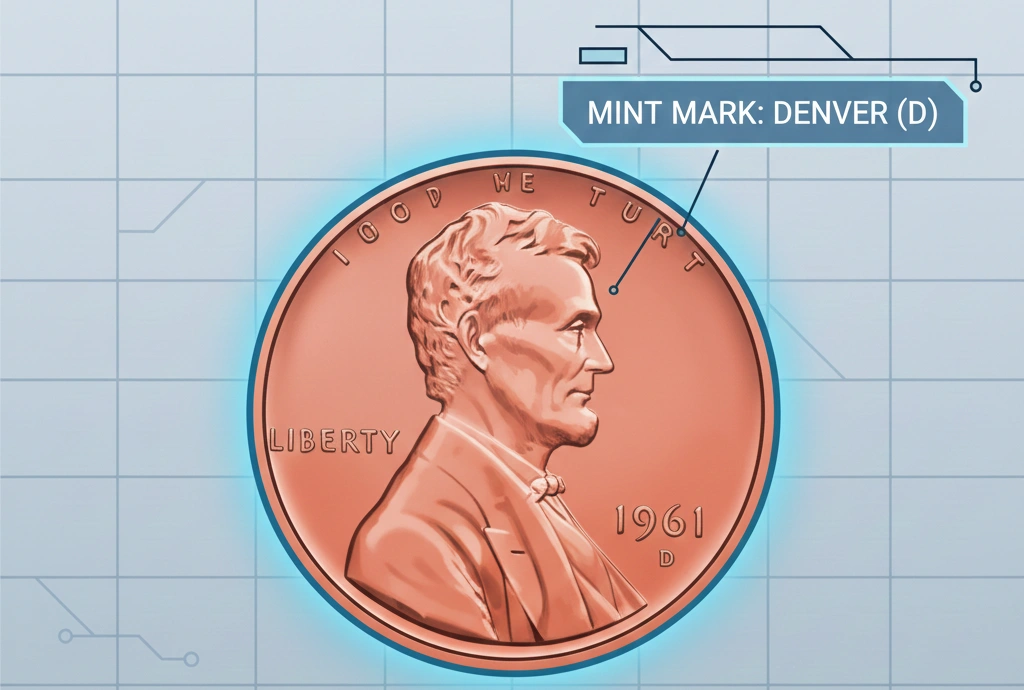
Real Factors Determining the Value of the 1961-D Penny
An in-depth analysis of the 1961-D Lincoln cent value. Impact of the MS67 RD grade, price dynamics for Re-punched Mint Mark (RPM) varieties, and technical parameters of Denver minting....