How to Choose the Best Winter Sports Gear for Peak Performance and Comfort
When winter arrives and the mountains call, it's essential to be fully prepared with the right gear for your chosen winter sport. Whether you're skiing, snowboarding, or participating in other snow-based activities, your gear will significantly affect your performance and overall comfort. The right gear can make the difference between an enjoyable day on the slopes and a miserable, cold experience. In this guide, we’ll walk you through how to select the best winter sports gear to help you perform at your peak and stay comfortable all day.
Understanding Your Needs and Skill Level
Identifying Your Skill Level
Before diving into specific gear recommendations, it's crucial to identify your current skill level. Whether you’re a beginner, intermediate, or advanced athlete, your gear needs will differ.
Beginner: For those just starting out, comfort and safety should be your top priorities. Beginner-friendly gear tends to be softer and more forgiving, making it easier to learn and progress.
Intermediate: As you gain confidence, you’ll want gear that provides a balance between comfort and performance. Equipment in this range will offer more control and stability.
Advanced: If you’re an experienced skier or snowboarder, you’ll likely seek high-performance gear designed for speed, agility, and handling more challenging terrain.
Understanding the Type of Activity
Different winter sports require specialized gear, so knowing your activity of choice is essential when making decisions.
Skiing: Traditional skiing requires skis, boots, poles, and clothing designed for all-day wear in various conditions.
Snowboarding: Snowboarders will need a different set of gear, including a board, bindings, boots, and specific protective wear.
Cross-Country Skiing: This activity demands lightweight equipment suited for long, endurance-based treks.
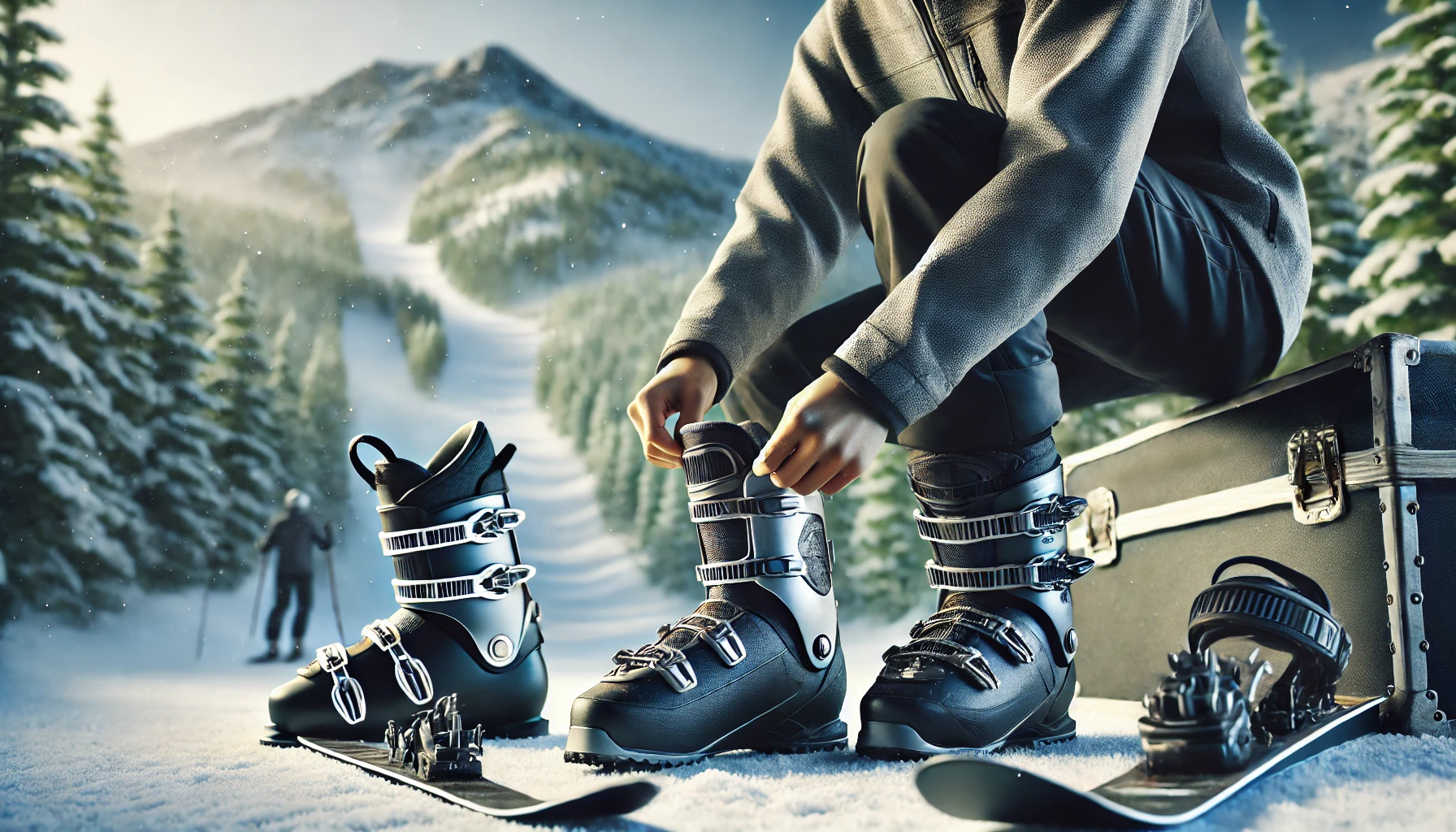
Clothing Essentials for Peak Performance and Comfort
Winter sports clothing must provide warmth, flexibility, and protection from the elements. Choosing the right layers ensures that you stay comfortable whether you’re carving down the mountain or resting on the slopes.
Base Layers: The Foundation of Warmth
The base layer is your first line of defense against the cold. It’s critical to choose a material that wicks moisture away from your skin, keeping you dry and warm.
Best Materials: Merino wool and synthetic fabrics like polyester are ideal for base layers. They offer excellent moisture-wicking properties, keeping sweat away and helping to regulate body temperature.
Avoid Cotton: Cotton traps moisture, leaving you feeling cold and clammy. It’s best to avoid it in any winter sports gear.
Tip: Opt for base layers that fit snugly to avoid any bunching under your mid or outer layers.
Mid-Layers: Adding Insulation
Mid-layers are designed to trap heat close to your body. Depending on the temperature, you can adjust this layer for optimal comfort.
Fleece and Insulated Jackets: These materials work well for keeping you warm without adding too much bulk. Synthetic insulated jackets provide excellent warmth and can be removed or added depending on the conditions.
Down Jackets: For extremely cold conditions, down jackets offer superior insulation but may not be ideal in wet conditions unless treated to be water-resistant.
Tip: A zippered mid-layer allows for quick adjustments if you start to feel too warm.
Outer Layers: Protection from the Elements
Your outer layer is responsible for protecting you from wind, rain, snow, and cold. Ski jackets and pants must be waterproof, windproof, and breathable.
Waterproofing: Choose jackets and pants with high waterproof ratings (measured in millimeters). Aim for at least 10,000mm for most winter conditions, but if you're skiing in wet snow or rainy conditions, opt for higher ratings.
Breathability: Breathability is crucial to prevent overheating and sweat buildup. Look for gear with ventilation options such as underarm zips or mesh linings to help regulate your body temperature.
Tip: Ensure your jacket and pants have sealed seams to prevent any moisture from getting in.
Footwear, Safety Gear, and Accessories
Ski Boots: The Importance of a Good Fit
Ski boots are arguably the most important piece of equipment you’ll own. A poorly fitted boot can ruin your day on the mountain, while a well-fitted one can elevate your performance.
Fit and Comfort: Boots should fit snugly but not cause pain. It’s essential to try on several pairs to find the right one for your foot shape and size. Consider visiting a professional boot fitter for custom options.
Flex Index: For beginners, a soft-flexing boot (60-80) provides comfort and ease of movement. Advanced skiers will prefer a stiffer boot with a flex index of 110+, allowing for greater precision and control.
Boot Liners: Many ski boots now come with heat-moldable liners that conform to the shape of your foot for a custom fit.
Tip: Always wear ski socks when trying on boots to ensure the best fit.
Helmets and Goggles: Protecting Your Head and Eyes
Safety is paramount in winter sports, and wearing a helmet is non-negotiable.
Helmets: Choose a helmet that fits snugly but comfortably on your head. Look for models with adjustable vents, which can help regulate heat and prevent overheating on warmer days. Some helmets also come with integrated audio systems for added convenience.
Goggles: Quality goggles are a must for visibility. Look for models with UV protection and anti-fog technology to ensure clear vision in all weather conditions. Interchangeable lenses are a bonus, allowing you to adjust for different lighting conditions.
Tip: Bring your helmet when shopping for goggles to ensure they fit together comfortably without gaps.
Gloves or Mittens: Keeping Your Hands Warm
Cold hands can quickly sap your energy and make your day miserable. Choose the right hand protection for the conditions.
Gloves: Gloves offer better dexterity and are great for tasks like adjusting your gear or handling ski poles. Look for waterproof, insulated options.
Mittens: If warmth is your priority, mittens are often better at retaining heat, as your fingers generate more warmth when grouped together.
Tip: Consider gloves with built-in hand warmer pockets for those extra-cold days.
Additional Accessories for Comfort
Sunscreen and Lip Balm: At high altitudes, UV exposure increases, so protecting your skin is essential. Always apply sunscreen and UV-protective lip balm before heading out.
Backpack: A small, waterproof backpack can be incredibly handy for carrying essentials like water, snacks, and extra layers.
Skis and Snowboards: Finding the Perfect Fit
Choosing the Right Skis
The type of skis you choose should match your skill level, the terrain you're tackling, and your personal preferences. Skis come in various shapes, lengths, and flexibilities, all of which serve different purposes.
Beginner Skis: These skis are designed to be more forgiving and easier to control. They tend to be shorter, softer, and more flexible, allowing for easier turns and less fatigue. If you’re just starting, look for skis that are lightweight and cater to groomed slopes.
Intermediate Skis: If you're getting more comfortable on the slopes and venturing off-piste or into different snow conditions, you’ll want skis that provide better edge control and stability. Skis in this category typically have a medium flex and are slightly stiffer than beginner skis.
Advanced/Expert Skis: For those who tackle steep, icy slopes or deep powder, advanced skis are stiffer, longer, and designed for precision and speed. These skis provide excellent control and responsiveness, making them ideal for expert-level skiers who need performance on varying terrain.
Tip: Always match your skis to the type of terrain you'll be skiing most often. Powder skis, for example, are wider and provide better floatation in deep snow, while carving skis are narrower and better suited for hard-packed snow and icy conditions.
Snowboards: Getting the Right Board for Your Style
Just like skis, snowboards come in different shapes, sizes, and flexes to accommodate different riding styles and abilities.
Freestyle Boards: These are ideal for riders who enjoy park riding, tricks, and jumps. Freestyle boards tend to be shorter, softer, and more flexible, making them easier to control in the air and on rails.
Freeride Boards: For riders who love carving through powder or cruising down groomed trails, freeride boards are stiffer and more directional. They provide better edge control and stability at high speeds.
All-Mountain Boards: As the name suggests, these boards are designed for versatility. All-mountain boards can handle various types of terrain, making them great for riders who want to explore everything the mountain has to offer.
Tip: Your height, weight, and shoe size will determine the length and width of your snowboard. Make sure to get properly sized by a professional to ensure optimal performance.
Bindings: The Key to Control
Bindings are the critical connection between you and your skis or snowboard, so it's important to choose the right pair. They not only hold your boots in place but also allow for proper movement and control.
Ski Bindings: When choosing ski bindings, ensure they are compatible with your boots and skill level. Bindings for beginners should offer easy release in case of falls, while advanced bindings offer greater responsiveness and power transfer. Bindings come with adjustable release settings, known as DIN settings, which should be set based on your weight, skill level, and skiing style.
Snowboard Bindings: There are two main types of snowboard bindings: strap-in and rear-entry. Strap-in bindings offer more control and are the most common, while rear-entry bindings are convenient for quick on-and-off action. Flex is another factor—softer flex bindings are ideal for beginners and park riders, while stiffer bindings provide more control for freeride and all-mountain riding.
Tip: For both skis and snowboards, have a professional adjust your bindings to ensure they are set correctly for your weight and skill level.
Poles: Choosing the Right Size and Type
While snowboards don’t require poles, skiers rely on them for balance, rhythm, and turns. The right poles should be sized based on your height and skiing style.
Sizing: To find the right pole length, turn the pole upside down and grab it just below the basket (the circular piece near the bottom). Your elbow should form a 90-degree angle. Shorter poles are preferred for quick turns and moguls, while longer poles are ideal for skiing powder or downhill racing.
Material: Poles come in various materials such as aluminum and carbon fiber. Aluminum poles are durable and affordable, while carbon fiber poles are lighter and more flexible, making them great for advanced skiers.
Tip: For beginners, lightweight aluminum poles are often the best option, providing durability without adding unnecessary weight.
Safety Gear: Protecting Yourself on the Slopes
Helmets: A Must-Have for Every Rider
Wearing a helmet is essential for all winter sports participants, regardless of skill level. A properly fitted helmet can protect against head injuries and increase your confidence on the slopes.
Fit: A good helmet should fit snugly without being too tight. It should sit just above your eyebrows, and you shouldn’t be able to move it much when shaking your head.
Ventilation: Adjustable vents allow you to regulate airflow, which is especially helpful on warm days or when you’re working hard on the slopes.
Additional Features: Some helmets come with integrated audio systems or compatibility with goggles for added convenience.
Tip: Always replace your helmet after a significant impact, even if there are no visible signs of damage.
Goggles: Keeping Your Vision Clear
Ski goggles protect your eyes from snow, wind, and harmful UV rays. They also improve visibility, especially in low-light or foggy conditions.
UV Protection: Ensure your goggles have 100% UV protection, as the reflection off snow can increase your exposure to UV rays.
Lens Tint: Different lens tints work better in specific lighting conditions. For example, yellow or gold tints enhance visibility in low light, while darker lenses are better for sunny days.
Anti-Fogging Features: Look for goggles with anti-fog coatings or dual-layer lenses to prevent fog buildup during physical exertion.
Tip: Bring your helmet when trying on goggles to ensure they fit together without leaving any gaps.
Accessories: Finishing Touches for Comfort and Convenience
Gloves and Mittens: Warm Hands, Happy Hands
Cold hands can quickly ruin a day on the mountain. Choosing the right pair of gloves or mittens is key to staying warm and comfortable.
Gloves: For skiers and snowboarders who need more dexterity, gloves are a great option. Look for waterproof and insulated gloves that provide warmth while allowing for movement.
Mittens: Mittens keep your fingers together, providing better warmth in extremely cold conditions. If you struggle with cold hands, mittens may be the better option.
Tip: Invest in hand warmers for particularly cold days or long outings.
Sunscreen and Lip Balm: Protection from the Elements
At high altitudes, the sun’s rays are more intense, and the reflection off the snow amplifies exposure. Always apply sunscreen to exposed areas of your face, and don’t forget your lips—use a lip balm with SPF protection.
Sunscreen: Opt for a high SPF (30 or higher) that is water-resistant to protect against the sun and snow glare.
Lip Balm: Choose a moisturizing lip balm with added UV protection to prevent your lips from getting dry and chapped.

Conclusion: Achieving Peak Performance and Comfort on the Slopes
Choosing the best winter sports gear involves understanding your personal needs, skill level, and the specific conditions you’ll be facing on the slopes. Whether you’re skiing, snowboarding, or engaging in any other winter sport, the right gear will keep you comfortable, safe, and performing at your best. From the perfect pair of ski boots to the right goggles for your helmet, each piece of equipment plays a critical role in your overall experience.
Investing in high-quality gear not only ensures a better performance but also keeps you protected and warm throughout your time on the slopes. So, as you gear up for your next winter adventure, use this guide to make informed choices and enjoy your time in the snow with confidence.
-

Explore Backcountry Skiing: Safety Tips and Equipment Essentials
Explore practical tips and must-have gear for safe backcountry skiing adventures. Learn how to stay prepared and make informed decisions in the wilderness with GlacierGear. ...
-
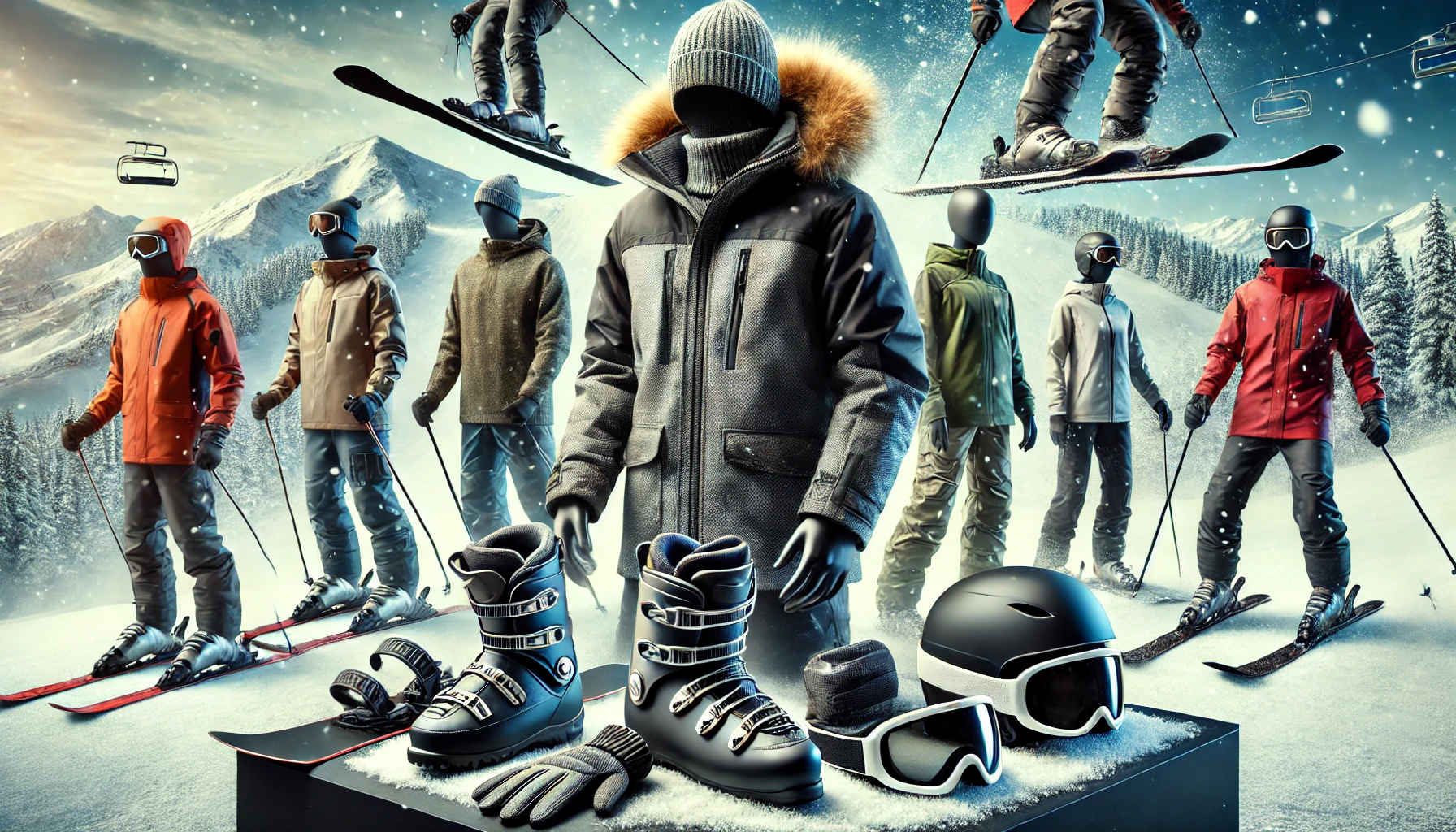
Essential Winter Sports Gear: What You Need to Stay Warm and Safe on the Slopes
Discover the must-have winter sports gear to keep you warm, safe, and comfortable on the slopes. From ski jackets to safety equipment, find out what you need for your next adventure....
-
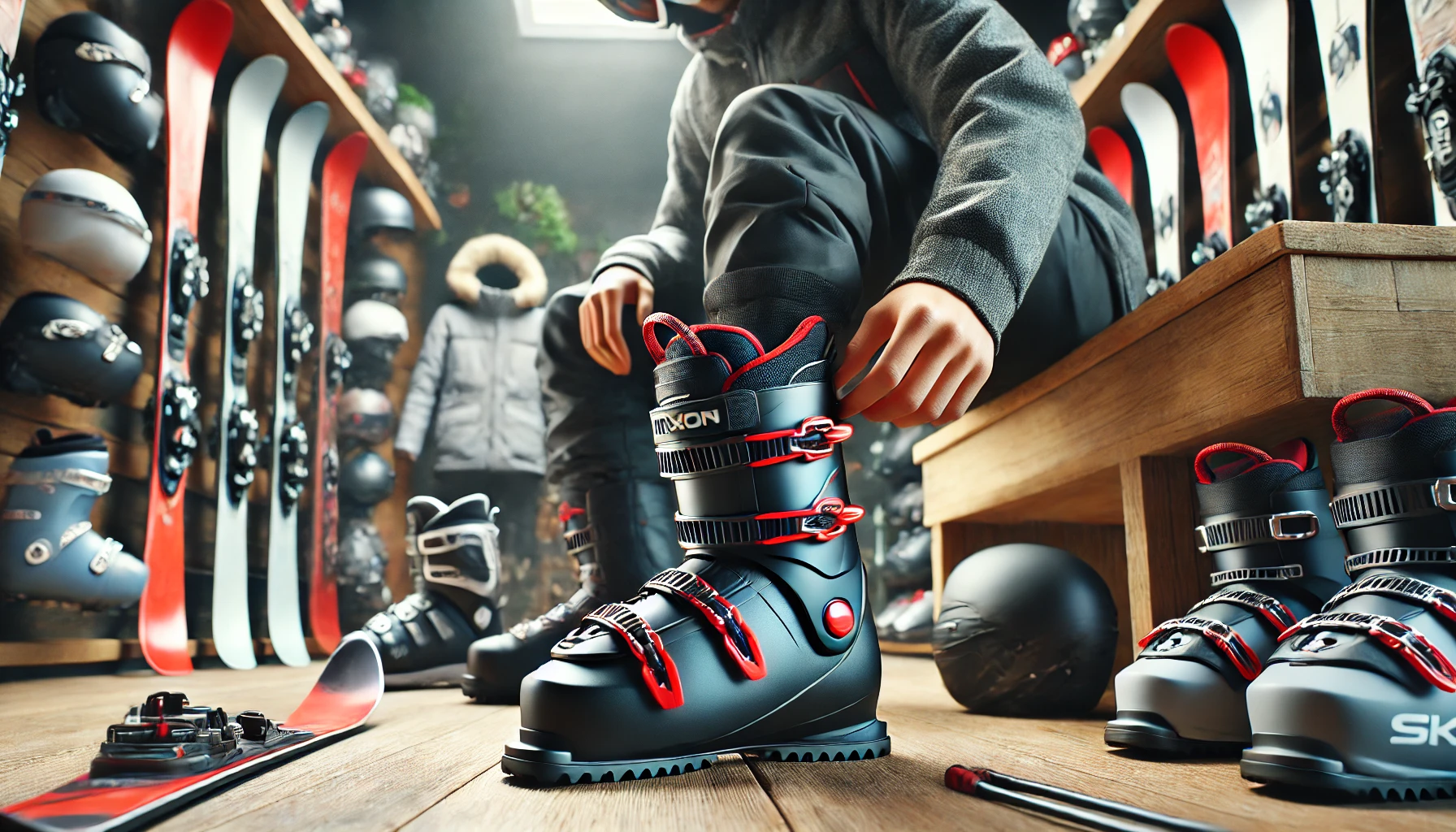
How Do I Choose the Right Ski Boots for My Skill Level?
...
-

How to Choose the Best Winter Sports Gear for Peak Performance and Comfort
Discover the essential guide to choosing the best winter sports gear for skiing, snowboarding, and more. Learn how to select the right clothing, equipment, and accessories to stay warm, safe, and perf...