How to Identify a Genuine Gold Toned Quarter vs Altered Coins
A trained eye sees beyond color into the Gold Tinted Quarter surface behavior and wear.
Existence of gold 25-cent coins in United States history remains limited to very specific mint releases.
Most items encountered by the public represent commemorative issues struck in high-purity yellow metal.
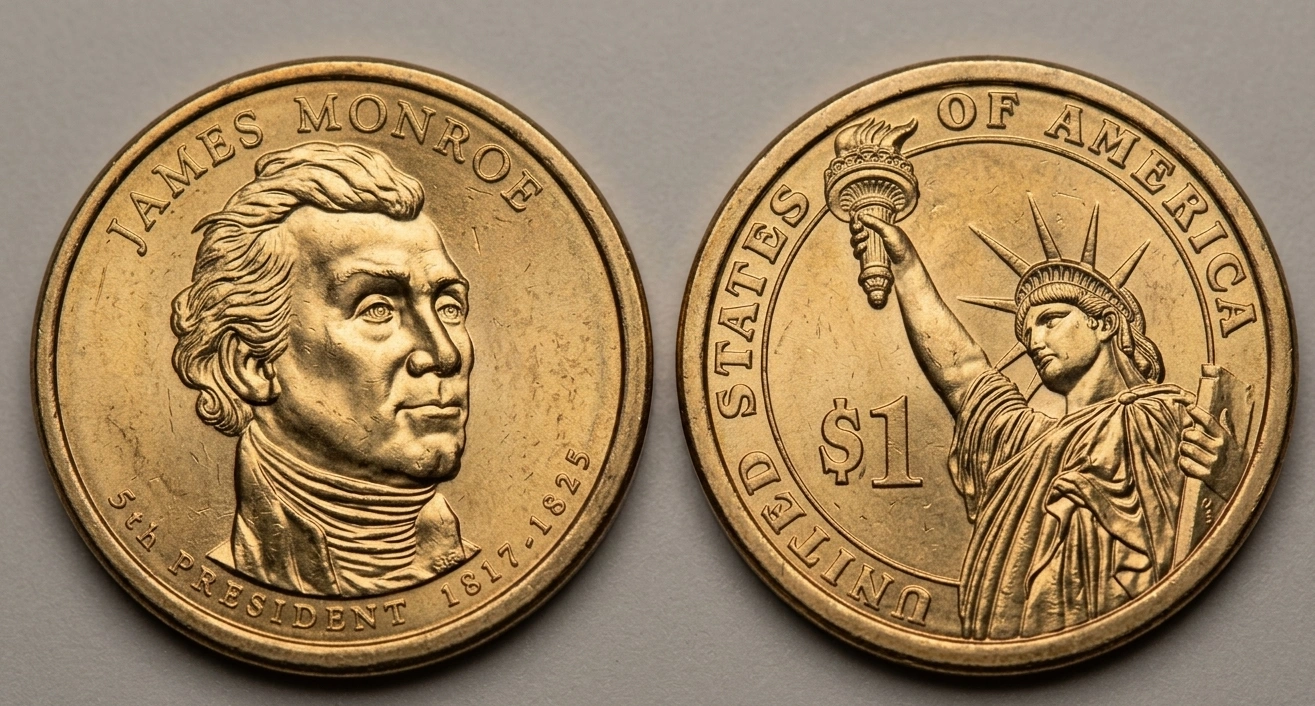
Characteristic | Standing Liberty Gold (2016-W) | Quarter "50 State" Gold Edition |
Metal Composition | 99.99% Gold | 99.99% Gold |
Item Mass | 7.775 grams | 7.775 grams |
Edge Thickness | 1.63 mm | 1.58 mm |
Mint Facility | West Point | Private Mints |
2026 Market Price | $945 | $912 |
Adherence to these weight parameters with precision to thousandths of a gram serves as the first stage of verification.
Mass deviation exceeding 0.02 grams indicates a counterfeit or an altered metal composition.
Visual Verification Algorithms for Surfaces
Identifying genuine gold strikes requires studying micro-relief with the free coin identifier app.
Gold-plated copper-nickel coins demonstrate smoothed design details resulting from layers of added metal.
Analysis follows this specific progression:
Studying edges → Searching for copper base traces in high-friction areas → Checking legend letter sharpness → Analyzing light reflection
99.99% gold possesses a specific matte luster differing from the bright gloss of electronic plating.
Chemical deposit methods often leave microscopic streaks on the surface.
True strikes on gold blanks feature sharp angles in letters and date digits.
Plating applied over coins previously in circulation hides dings and scratches, creating a flooded surface effect.
Genuine 2016 specimens exhibit a specific grainy background texture.
Detecting any signs of peeling automatically moves a coin into the category of altered items.
Auction Statistics and Price Dynamics
Gold quarter valuations depend strictly on preservation state and certification status.
Data spanning 2016 through 2026 show stable value growth for coins in the highest MS70 preservation grade.
Examining price records for the 2016-W Standing Liberty Gold Quarter:
2016 Issue Price — $485
2021 Heritage Auction Sale — $1,140
2024 Average eBay Price — $840
2026 Record Price for MS70 Grade — $1,450
Annual value increases average 7.2% assuming stability in precious metal rates.
Price drops when moving from MS70 to MS69 reach 25% of market value.
Investors prioritize coins in original packaging or certified holders.
Value change flow based on external factors:
Dollar inflation → 4% annual price rise
Interest rate hikes → Price stagnation
Mining decrease → 12% sudden jump
Coins with damaged surfaces lose up to 40% of value relative to the metal's exchange price.
Technical Analysis of Alloys and Imitations
Modern technologies allow for high-quality imitations requiring spectral analysis.
Using X-ray machines allows for determining metal content without damaging the coin.
Genuine specimen analysis results:
Gold — 99.99%
Iron impurities — less than 0.001%
Lead traces — none
Altered coin analysis results:
Copper — 75%
Nickel — 24%
Gold — 1% (thin surface layer)
Material density differences determine coin behavior during underwater weighing.
Gold density reaches 19.3 grams per cubic centimeter.
Copper-nickel alloy density reaches 8.9 grams per cubic centimeter.
Utilizing scales with 0.001-gram accuracy reveals volume and mass discrepancies.
A coin having the correct diameter and thickness but made of copper will weigh significantly less than a gold original.
Attempts to mimic weight by increasing thickness result in broken geometric proportions.
Professional Certification and Its Impact
Presence of reports from expert organizations like PCGS or free coin value lookup serves as a guarantee of authenticity on the secondary market.
Certification processes involve several verification stages by independent experts.
2026 Grade distribution statistics for the 2016 gold quarter:
MS70 — 42% of population
MS69 — 54% of population
Below MS69 — 4% of population
Purchasing uncertified coins increases the risk of acquiring an altered specimen by 85%.
Certified coins sell with a 15-20% premium over the gold content price.
Holograms and unique numbers on plastic holders allow for checking coins in databases.
Counterfeiting the plastic containers themselves occurs in 2% of transactions on unauthorized platforms.
Verifying the barcode through official mobile apps minimizes risks.
Rim Characteristics and Minting Methods
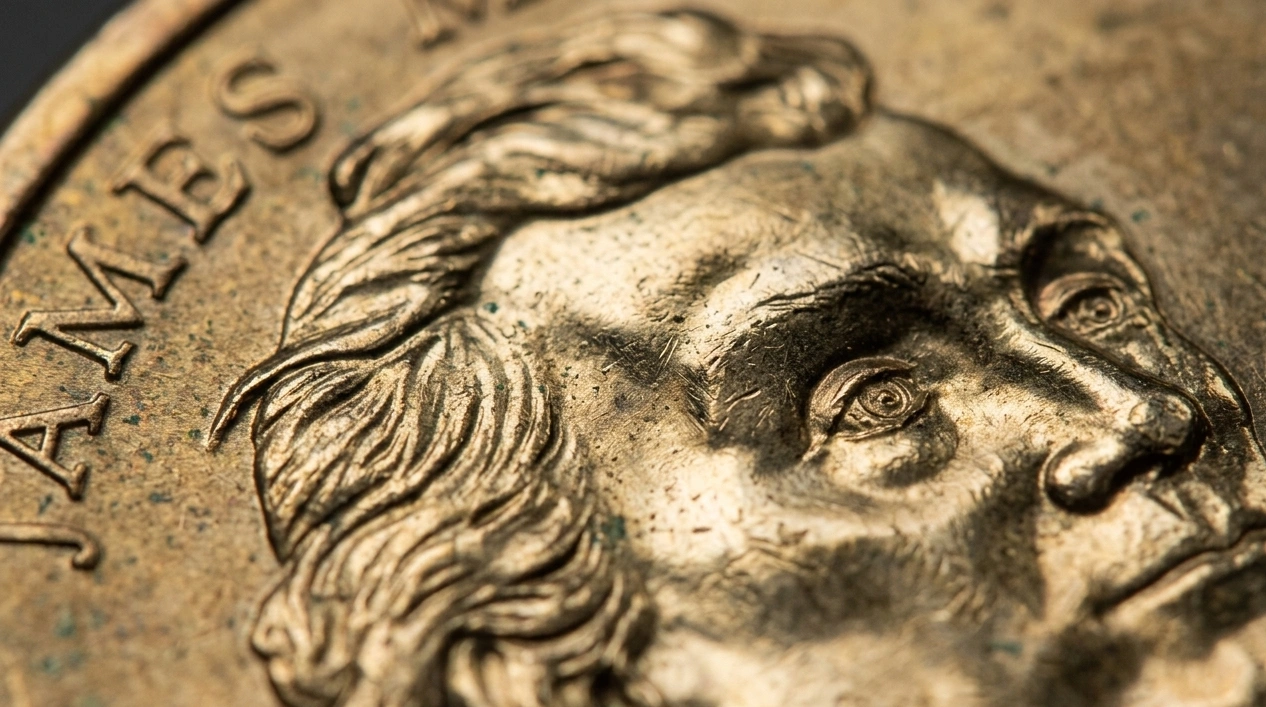
Studying the coin's edge provides vital information regarding production methods.
Genuine Standing Liberty gold quarters feature smooth edges with incuse weight and purity markings.
Altered coins made from standard quarters often retain a reeded edge.
Edge type comparison:
Gold Original → Smooth with sunken weight/purity text
Standard Quarter → 119 reeds (grooves)
Plated Original → Plating-filled grooves with rounded corners
Inscriptions on the original edge are made using a rolling method after the main faces are struck.
Letters must show clear boundaries without traces of double striking.
Finding a seam on the edge indicates a cast fake or the joining of two different coin halves.
Original edge thickness remains strictly regulated at 1.63 mm.
Measuring with digital tools at four points allows for excluding blank deformation.
Lighting and Chemical Tests
High-purity gold remains inactive when exposed to most household cleaners.
Applying specific testing acids on hidden edge areas allows for instant plating detection.
Reaction to testing liquid:
Pure Gold → No color change
Copper under plating → Appearance of a green spot
Silver base → Appearance of a milky-white residue
Chemical tests are not recommended for collectible specimens due to the risk of lowering the grade.
Checking electrical conductivity using precious metal testers serves as an alternative.
999 gold has conductivity around 45 MS/m.
Copper-nickel alloys possess conductivity in the 2-5 MS/m range.
Difference in device readings allows for instant non-destructive expertise.
Design Features and Micro-printing
The US Mint uses laser engraving on dies to protect against copying.
Genuine 2016 gold quarters contain minute details in the eagle's feathers on the reverse.
Each feather features a sharp central spine and thin side fibers.
On altered coins, these details appear blurry or merge into a single mass.
Checklist of control zones:
Liberty’s Shield → Clarity of thirteen stars
Eagle's Head → Separation between beak and cere
Minting Date → Absence of metal flow at digit bases
AU 24K letters → Even depth of sunken symbols
Studying under a microscope reveals specific metal flow lines on 999 gold.
These lines radiate from the center to the edges, appearing during the 100-ton strike.
Imitations created by casting show porous surface structures and microscopic bubbles.
Presence of polishing marks on the coin field indicates mechanical interference.
Wear Factors and Tarnish
24-carat gold represents a soft metal subject to rapid deformation.
Genuine coins kept outside capsules quickly acquire small dings.
Color of 999 gold remains unchanged over decades.
Plated coins eventually acquire a specific dull tint due to metal atoms moving into the gold layer.
Plating aging signs:
Darkening in relief depressions
Reddish or orange tint appearance
Layer rub-off on high points (Liberty’s knee, eagle’s wings)
Genuine gold coins may exhibit small "copper spots."
Such spots occur due to tiny particles trapped during the metal rolling process.
Presence of these spots paradoxically can serve as confirmation of gold alloy authenticity.
Chemical cleaning to remove spots reduces market value by 20%.
-

The Art of Freestyle Skiing: Tricks, Techniques, Progression
Unlock the secrets of freestyle skiing with our comprehensive guide. Learn the fundamentals, explore tricks, and master terrain park mastery for an exhilarating skiing experience. ...
-

How to Choose the Best Winter Sports Gear for Peak Performance and Comfort
Discover the essential guide to choosing the best winter sports gear for skiing, snowboarding, and more. Learn how to select the right clothing, equipment, and accessories to stay warm, safe, and perf...
-

U.S. Dimes: History, Key Dates & Collecting Strategies
Discover the most valuable U.S. dimes, from 1796 Draped Bust to modern errors. Learn grading secrets and investment strategies for all budgets....
-

How to Identify a Genuine Gold Toned Quarter vs Altered Coins
Expert methods for identifying genuine gold 25-cent coins versus plated copper-nickel versions. Includes 2026 pricing data, weight standards, and surface analysis techniques for investors....