Essential Winter Sports Gear: What You Need to Stay Warm and Safe on the Slopes
Winter sports are thrilling, offering the opportunity to experience the beauty of snow-covered mountains while enjoying activities like skiing, snowboarding, and snowshoeing. However, the fun can quickly be cut short if you're not properly equipped to stay warm, safe, and comfortable on the slopes. This guide will walk you through the essential winter sports gear that will keep you protected and make your outdoor adventure more enjoyable.
Clothing Essentials for Winter Sports
When preparing for winter sports, clothing plays a crucial role in maintaining your body temperature and protecting you from the elements. The key to dressing for winter activities is layering, which allows you to adjust your clothing as your body heats up or the weather changes. Here are the clothing essentials you should invest in:
1. Ski Jacket and Pants
Your outermost layer is the first line of defense against cold, wind, and snow. A good ski jacket and pants should be waterproof, insulated, and breathable.
Waterproofing: Look for ski jackets and pants that are waterproof or water-resistant. This feature keeps moisture from snow and ice from seeping in, preventing chills and keeping you dry all day long.
Insulation: Choose insulated outerwear to trap warmth while keeping the cold at bay. Many ski jackets have synthetic or down insulation that provides excellent warmth without bulk.
Breathability: Winter sports can get physically demanding, and it's important that your gear prevents overheating. Breathable fabrics, often indicated by a rating, help release heat and moisture, ensuring comfort during intense activity.
Tip: Make sure your ski jacket and pants are free from holes, have properly sealed seams, and fit well to avoid any gaps where snow and cold air could enter.
2. Base Layers
Base layers are the foundation of your winter sports outfit and should effectively regulate your body temperature by wicking away moisture from sweat. Proper base layers will keep you warm and dry.
Material: The best base layers are made from merino wool or synthetic materials like polyester or nylon. These fabrics are excellent at moisture-wicking, drawing sweat away from the body and allowing it to evaporate. Cotton should be avoided, as it retains moisture and can lead to chills.
Fit: Your base layer should fit snugly to your body but not restrict movement. Look for long sleeves and pants to cover as much skin as possible.
Tip: Invest in high-quality base layers, as they play a major role in your overall warmth and comfort on the slopes.
3. Mid-Layers
Mid-layers provide additional insulation between your base layer and outerwear. Depending on the weather and your activity level, you can adjust your mid-layers for warmth without overheating.
Fleece Jackets or Wool Sweaters: These are excellent choices for mid-layers, offering warmth without too much bulk. Fleece is lightweight, while wool provides excellent warmth even when wet.
Insulated Vests or Lightweight Down Jackets: On particularly cold days, consider layering with a down or synthetic-insulated vest or jacket to keep your core warm.
Tip: It's always good to bring a mid-layer that you can easily remove if the weather gets warmer or if you feel too hot while skiing or snowboarding.
4. Ski Socks
Your feet will be in constant contact with snow, so keeping them warm and dry is essential. Ski socks are specially designed to provide insulation and moisture-wicking properties.
Material: Look for ski socks made from wool blends or synthetics. These materials are excellent at keeping moisture away from your skin while maintaining warmth.
Fit: One pair of well-fitting ski socks is all you need. Avoid wearing two pairs, as this can create discomfort and reduce circulation. Instead, invest in a single, high-quality pair that fits snugly without bunching.
Tip: Always bring an extra pair of ski socks in case your feet get wet during the day. Dry feet are essential for comfort and warmth.
5. Gloves or Mittens
Cold hands can ruin your day on the slopes, so investing in proper gloves or mittens is a must. They need to be waterproof, insulated, and durable enough to handle the cold and moisture.
Gloves vs. Mittens: Gloves provide better dexterity, allowing for easier handling of ski poles or adjusting gear. Mittens, on the other hand, are generally warmer because they trap more heat by keeping your fingers together.
Waterproofing: Ensure your gloves or mittens have a waterproof outer layer to keep your hands dry throughout the day.
Tip: Consider carrying hand warmers for added comfort on extremely cold days.
6. Goggles
When you're out on the slopes, protecting your eyes from the elements is just as important as staying warm. Snow glare and changing light conditions can make visibility difficult, so high-quality ski goggles are a must-have.
UV Protection: Goggles with 100% UV protection are essential for protecting your eyes from the sun's harmful rays, which are more intense at higher altitudes.
Anti-Fog Features: Look for goggles with anti-fog coatings or venting systems to prevent fog from clouding your vision.
Interchangeable Lenses: Some goggles come with interchangeable lenses for different light conditions. This is a useful feature if you're skiing in varying weather or lighting situations.
Tip: Choose lenses with a tint suitable for the typical weather conditions you'll be skiing in. Yellow or rose-colored lenses are great for low light, while darker lenses are better for bright conditions.
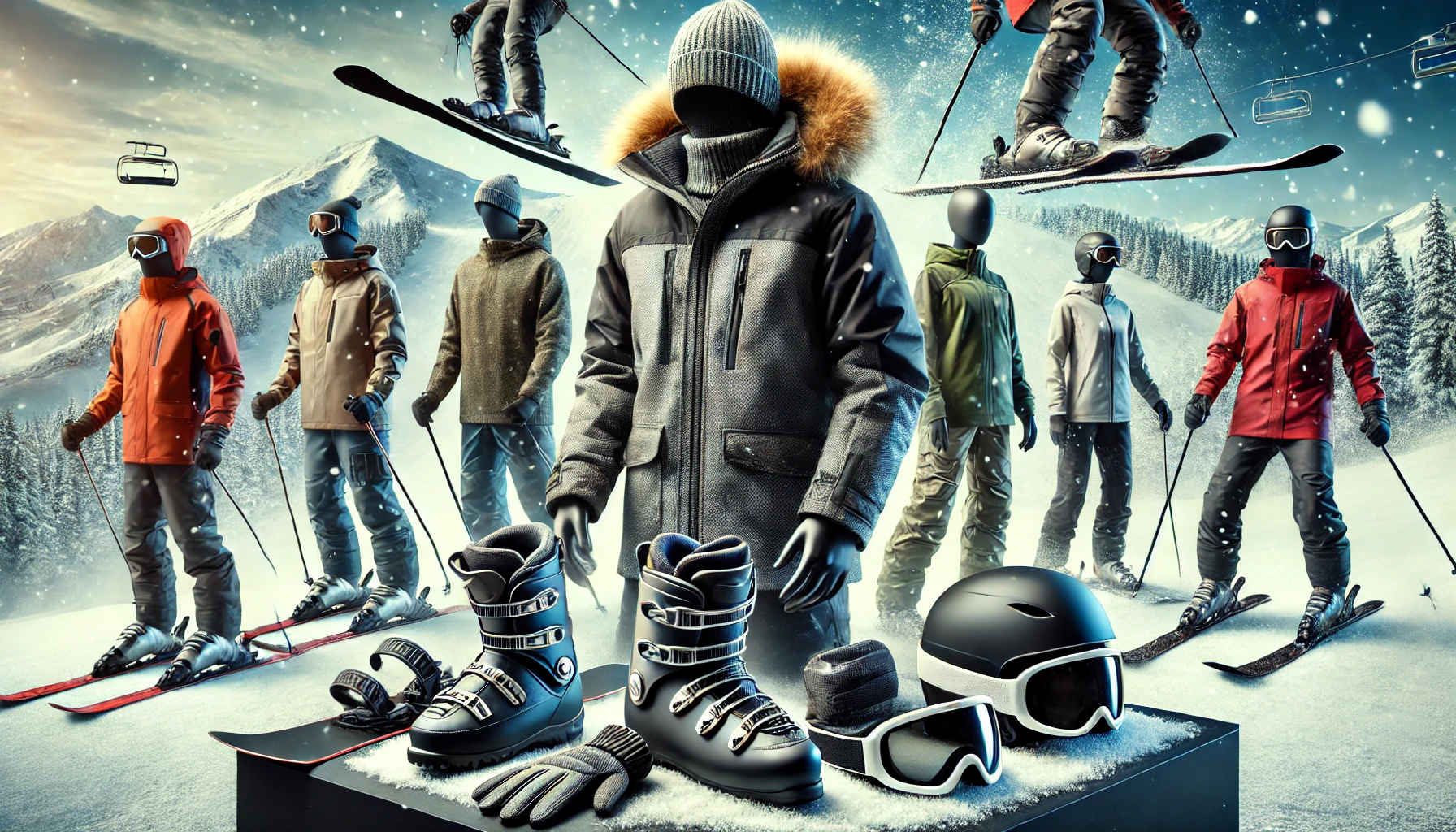
Essential Ski Equipment for Safety and Comfort
Now, let’s dive into the essential ski equipment that ensures safety and enhances performance on the slopes. Whether you’re a beginner or a seasoned skier, having the right gear is crucial for a smooth and enjoyable experience.
Ski Equipment Essentials
1. Skis, Bindings, and Poles
When it comes to hitting the slopes, your skis, bindings, and poles are the heart of your equipment. Choosing the right set can significantly impact your performance and comfort.
Skis: Whether you’re renting or buying, the type of skis you choose should align with your skill level and the type of skiing you plan to do. All-mountain skis are versatile for various terrains, while carving skis are best suited for groomed runs.
Bindings: Bindings attach your boots to your skis, and they need to be adjusted according to your weight, height, and skill level. Properly set bindings ensure you stay connected to your skis when necessary but release in case of a fall to prevent injury.
Poles: Ski poles provide balance and support, especially on flat or uphill sections. Make sure your poles are the correct length for your height. The right poles allow for better rhythm and help navigate through varied terrain.
Tip: If you’re skiing often, investing in your own equipment may be worth it. Rentals are fine for beginners, but experienced skiers benefit from owning gear tailored to their needs.
2. Ski Boots
Your boots are one of the most critical pieces of ski equipment because they directly affect your comfort and control on the slopes. A good pair of ski boots can make all the difference in how well you ski.
Fit: Boots should fit snugly but not too tight. A poor fit can lead to blisters, discomfort, or even loss of control while skiing.
Heat-Molded Liners: Some boots come with heat-moldable liners that contour to the shape of your feet, offering a custom fit for maximum comfort.
Flex Rating: This indicates how stiff or flexible the boots are. Beginners often prefer softer boots for flexibility, while advanced skiers may opt for stiffer boots to enhance precision and control.
Tip: Always try on ski boots before hitting the slopes to ensure a perfect fit. It’s worth spending extra time in the ski shop to find boots that are comfortable and supportive.
3. Helmet
Safety should always be a priority when engaging in winter sports, and a helmet is a must-have piece of protective gear. A good helmet will protect your head from impact in case of a fall or collision.
Fit: The helmet should sit snugly on your head without being too tight. It should cover your forehead and not move around when you shake your head.
Vents: Adjustable vents allow you to control the airflow and prevent overheating on warmer days or during intense activity.
Certification: Make sure your helmet meets safety standards for skiing and snowboarding.
Tip: Some helmets come with built-in audio systems, allowing you to listen to music or communicate with friends on the slopes.
Safety and Convenience Gear for Winter Sports
Now that we’ve covered clothing and ski equipment, let’s move on to the additional safety gear and convenience items that will make your day on the slopes both safer and more enjoyable.
Safety Gear
1. Avalanche Safety Equipment (For Backcountry Skiing)
If you’re planning to venture into the backcountry or off-piste areas, having avalanche safety equipment is non-negotiable. Avalanches can be unpredictable, and carrying the right tools can be lifesaving.
Avalanche Beacon: This device transmits a signal that helps rescuers locate you in case you’re buried under snow. It’s essential for both your safety and the safety of others in your group.
Probe and Shovel: These tools are used in avalanche rescue efforts to locate and dig out someone buried under the snow.
Tip: Make sure you’re trained on how to use avalanche safety equipment. Many ski resorts and outdoor centers offer avalanche safety courses that are invaluable for backcountry adventurers.
2. Emergency Whistle
While it might seem like a small and insignificant item, an emergency whistle can be extremely helpful in case of an accident or if you get separated from your group. It’s lightweight and can easily be attached to your jacket or backpack.
Tip: Choose a whistle that can be heard from a long distance. It’s a simple but effective tool in emergency situations.
3. Sunscreen and Lip Balm
The sun’s rays are more intense at higher altitudes, and snow reflects UV radiation, which increases the risk of sunburn. Always carry sunscreen with a high SPF and lip balm with UV protection to guard your skin against harmful UV rays.
Tip: Apply sunscreen every two hours, especially on bright, sunny days. Make sure to protect exposed areas like your face and neck.
Convenience Gear
1. Backpack
A small, lightweight backpack can be a convenient addition to your gear, allowing you to carry essential items like water, snacks, and extra clothing layers.
Waterproof: Choose a waterproof or water-resistant backpack to keep your belongings dry.
Hydration Pack: Some backpacks come with built-in hydration systems, which are useful for staying hydrated without needing to stop skiing.
Tip: While not essential, a backpack is useful if you’re spending the whole day on the slopes and want to have easy access to your personal items.
2. Hand Warmers
If you’re skiing in particularly cold conditions, hand warmers can be a game-changer. These small, disposable heat packs can be placed in your gloves or pockets to keep your hands warm for hours.
Tip: Carry extra hand warmers in case temperatures drop, or your gloves aren’t warm enough. They’re small, inexpensive, and easy to use.
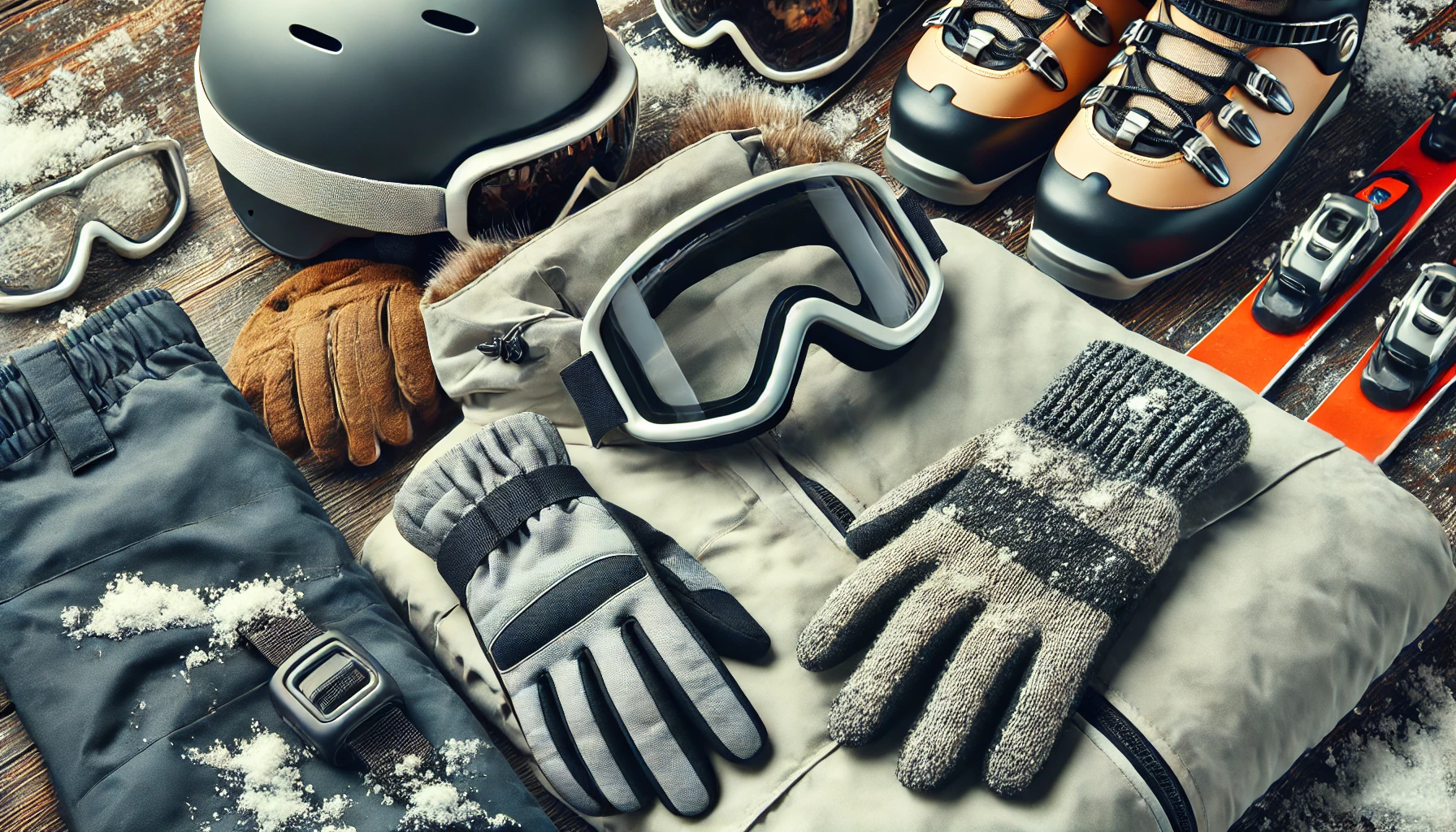
Conclusion
Preparing for winter sports is all about ensuring you have the right gear to keep you warm, comfortable, and safe on the slopes. From high-quality clothing layers to essential ski equipment and safety gear, investing in the right items can make all the difference in your experience. Remember, when you’re equipped with the best gear, you can fully enjoy the thrill of winter sports while staying protected from the elements.
By following this guide and choosing the right gear for your needs, you’ll be ready to tackle any winter adventure with confidence. Whether you’re a seasoned pro or a beginner hitting the slopes for the first time, having the right equipment will ensure that you stay warm, safe, and comfortable throughout your time on the mountain.
-
Stay Safe on the Slopes: A Guide to Skiing and Snowboarding Etiquette
Discover essential tips for staying safe and practicing proper etiquette while skiing and snowboarding. Learn how to navigate the slopes responsibly and create a positive winter sports community at Gl...
-
The Art of Freestyle Skiing: Tricks, Techniques, Progression
Unlock the secrets of freestyle skiing with our comprehensive guide. Learn the fundamentals, explore tricks, and master terrain park mastery for an exhilarating skiing experience. ...
-

Winter Gear on a Budget: How to Stay Warm and Stylish
Discover how selling rare coins online can fund your winter gear. Learn where to sell coins, maximize profits, and stay warm and stylish this season without breaking the bank! ...
-

U.S. Dimes: History, Key Dates & Collecting Strategies
Discover the most valuable U.S. dimes, from 1796 Draped Bust to modern errors. Learn grading secrets and investment strategies for all budgets....